

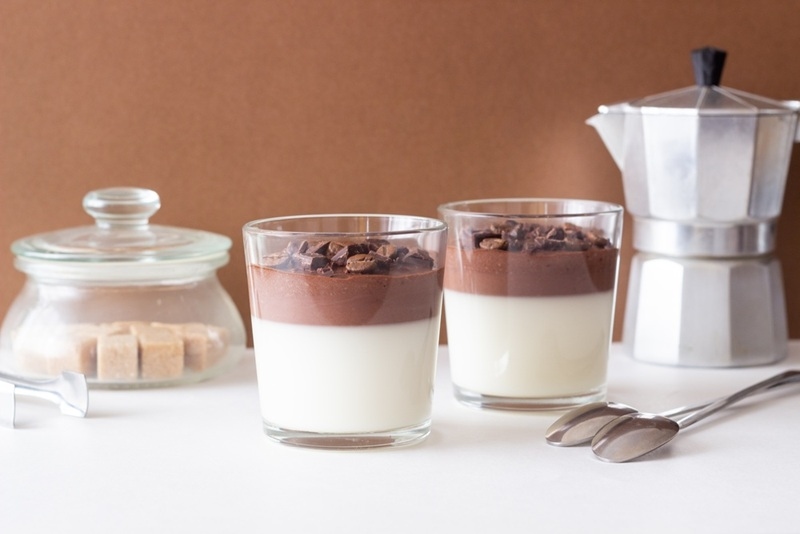
Italian dessert pairings explain how desserts are matched with coffee or wine in a simple and balanced way. Italian dessert pairings help improve taste and give a proper ending to a meal. Italian dessert pairings also show how small choices can change the full dining experience.
This blog will cover the top Italian dessert pairings that go well with wine and coffee.
Must Read: How to Make Pandoro Cake: A Detailed Step-by-Step Guide
These pairings are widely known and easy to follow. They rely on contrast and balance. Each option brings out the best in both the dessert and the drink.
Tiramisu has a soft texture and a mild coffee taste. A sweet wine adds a gentle layer of flavor. The pairing feels smooth and steady. The dessert stays rich but does not feel heavy. The wine supports the taste without taking over.
Cannoli has a crisp shell and a sweet filling. Espresso is strong and slightly bitter. This contrast keeps the sweetness in control. It is one of the most common desserts with espresso because it feels clean and balanced after every bite.
Panna cotta is soft and light. A sparkling wine adds freshness. The bubbles clear the palate after each spoonful. This makes the dessert feel lighter. It is a simple pairing that works in many settings.
Gelato is dense and smooth. A sparkling drink adds a fresh note. It breaks the richness and keeps the taste steady. This pairing is often chosen for its light and refreshing feel.
This dessert has a deep and rich taste. Strong coffee supports that depth. It keeps the flavor from becoming too heavy. The pairing feels bold but still controlled.
Top Pick: Fill Cannoli Siciliani Like a True Palermo Pastry Chef
After dinner desserts in Italy are simple and well-balanced. They are not meant to feel heavy. They complete the meal in a calm and steady way.
These desserts are often served in small portions. They do not overload the palate. They give a soft ending that feels complete without being too much.
Cream and fruits are common. The taste stays natural. This makes pairing easier and more flexible.
Each dessert works well with coffee or wine. This adds balance and makes the experience feel thoughtful.
Serving dessert after meals is a regular practice. It adds structure to the meal and keeps the experience calm.
A good tiramisu coffee pairing depends on keeping the balance right. The dessert already has coffee notes. The drink should support this without repeating it too much.
A bold coffee helps cut through the cream. It keeps the taste clear and steady. Light coffee may not give enough balance.
Too much sugar can make the pairing feel heavy. A plain coffee works better with the dessert.
Cold tiramisu and warm coffee create a nice contrast. This improves the overall feel of the pairing.
Simple coffee works best. Strong added flavors may disturb the natural taste of the dessert.
Desserts with espresso need enough body to match the strength of the drink. Espresso is strong and direct. The dessert should hold its place next to it.
Soft desserts like custards pair nicely. Espresso cuts through the cream and keeps the taste balanced.
Pastries with sweet fillings offer both texture and flavor. Espresso balances them and keeps the taste clean.
Chocolate and espresso share a strong profile. Together they form a rich but steady combination.
Italian sweets and wine pairing works best when a few simple ideas are followed. It does not need complex rules or detailed planning.
The wine should be as sweet as the dessert. If not, the drink may taste sharp and unpleasant.
Heavy desserts need lighter drinks. Light desserts can handle slightly richer wines.
If a dessert has nut or fruit notes, the wine should support that. This creates a smoother pairing.
A fresh wine can cut through creamy desserts. This keeps the taste from feeling too heavy.
Italian dessert pairings focus on balance and simple choices. Coffee and wine both shape the final taste. With a clear idea of contrast and texture, it becomes easy to choose the right pairing and enjoy a smooth finish after any meal.
Italian dessert pairings focus on balance and not just sweetness. The aim is to match desserts with drinks that either support or contrast the flavor in a simple way. This keeps the experience light and controlled. It also ensures the meal ends with a clean and pleasant taste that does not feel heavy.
Espresso is strong and helps balance sweet desserts. It cuts through creamy textures and keeps the taste from becoming too rich. This makes each bite feel fresh. It is also part of a regular dining habit where meals end with a small cup of coffee and a simple dessert.
The first step is to match sweetness levels. The wine should not be less sweet than the dessert. Then consider the texture. Light desserts work with light wines, while creamy desserts need richer options. Keeping the pairing simple often gives better results than trying to mix too many flavors.
This content was created by AI