

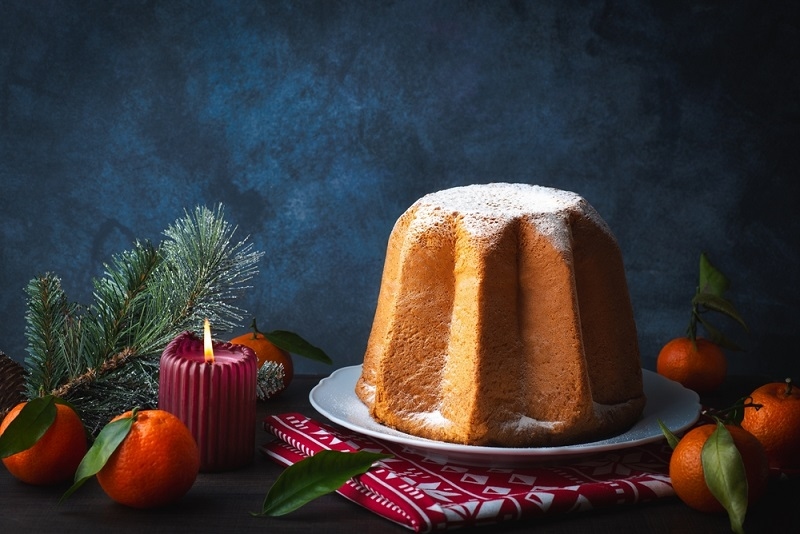
Pandoro is a traditional Italian sweet bread known for its tall star shape and soft texture. Many people search for what pandoro is before they attempt baking it at home. The detailed pandoro recipe explains how to make pandoro step by step using simple ingredients and clear instructions.
In this blog, you will understand the process of preparing Pandoro cakes and practical tips to get the best results.
When someone asks what is pandoro, the answer is direct and clear. It is a festive Italian bread that comes from Verona. The shape is tall and star-like, and the inside is soft and airy.
Unlike other holiday breads, this one does not contain dried fruits or nuts. The flavor is gentle. It is slightly sweet but not heavy. That is one reason many families prefer it.
The texture of pandoro cake depends on yeast fermentation and proper kneading. The dough rises slowly, forming small air pockets inside. Those air pockets create the light structure people expect. After baking, powdered sugar is dusted on top. It looks simple. Clean. Traditional.
It is usually prepared during Christmas celebrations. Still, many people bake it throughout the year because it pairs well with tea, coffee, or even cream fillings. The simplicity is what makes it special.
Must Read: Italian Food Traditions That Define Culture and Family Life
This pandoro recipe relies on fresh ingredients and careful mixing. Each ingredient has a purpose, and skipping steps often changes the result.
Strong flour forms the base of the dough. It provides the support needed during rising. It builds elasticity when kneaded well. That elasticity traps air created by yeast.
Yeast creates the light texture. It feeds on sugar and produces air inside the dough. This process helps the bread rise gradually.
Eggs add richness and help the bread hold its shape. They also give a golden color to the crumb. The bread can potentially feel dry without eggs.
In this pandoro recipe, eggs are added slowly to the mixture. That helps with even blending. They do not make the bread heavy. Instead, they improve softness in a balanced way.
Butter gives moisture and smoothness. It must be soft before mixing. Hard butter does not blend evenly.
Sugar supports yeast activity and adds mild sweetness. Milk helps activate yeast and keeps the dough tender.
Top Pick: Master Italian Table Etiquette Before Your Trip to Italy
Pandoro has remained popular for generations. Bakers appreciate it. Families continue to serve it. There are clear reasons behind that loyalty.
People often emphasize the texture in traditional baking. The soft crumb of pandoro feels light but structured. It does not crumble too easily.
You will notice that people respect the classic Italian baking traditions. The tall star shape gives this bread its identity. It stands upright and looks elegant on a table.
Not everyone enjoys very sweet desserts. Pandoro keeps its sweetness moderate. That makes it suitable for children and adults alike.
During holidays, families prefer desserts that are easy to share. Pandoro fits that need. It requires no complicated decoration.
Understanding how to make pandoro requires patience. The process is not difficult, but timing matters.
Mix warm milk, yeast, and a small amount of sugar in a bowl. Let it sit for several minutes. Bubbles will form if the yeast is active. This stage begins the fermentation process.
In a large bowl, combine flour, eggs, sugar, and soft butter. Pour in the starter mixture. Begin mixing slowly.
Place the dough in a clean bowl. Cover it lightly. Leave it in a warm place until it doubles in size.
After the first rise, shape the dough gently. Place it into a greased star-shaped mold. Allow it to rise again.
Bake in a preheated oven until golden brown. Insert a skewer into the center. If it comes out clean, it is ready.
Even a well-followed pandoro recipe can fail due to small details. Paying attention to these factors improves consistency.
Cold butter or eggs slow fermentation. All ingredients should be at room temperature before mixing.
Too little kneading weakens structure. Too much kneading makes the dough tight.
A cold room delays fermentation. Excess heat may cause uneven expansion.
Inactive yeast prevents proper rising. Always test it before use. Fresh yeast ensures steady growth of the dough. It reduces baking failures.
Removing the bread too early leaves the center undercooked. Baking too long dries it out.
Preparation becomes easier with practice. The following tips can improve the final outcome:
Use accurate measurements for flour, sugar, and butter. Small differences change texture. Consistency in measurement leads to consistent results. Guesswork creates imbalance.
Fermentation should happen naturally. Avoid increasing heat to speed it up. Slow rising builds better texture and flavor. Patience is necessary.
A properly greased mold prevents sticking. This helps preserve the star shape. Removing the bread becomes easier and cleaner.
Cutting while hot may damage the crumb. Let the bread cool completely. Cooling allows structure to settle. Slices remain neat.
Keep the bread in an airtight container after cooling. Exposure to air dries it quickly. Proper storage maintains softness for longer.
Pandoro is a traditional Italian sweet bread known for its soft texture and simple flavor. This guide explained what is pandoro, outlined the ingredients, detailed the preparation steps, and highlighted common factors that affect the result. Anyone can bake this classic bread successfully at home by following each stage carefully and allowing proper rising time.
It is made from flour, eggs, butter, sugar, milk, and yeast. These ingredients work together to create a soft and airy texture.
Yes, but the traditional shape may not appear. The texture remains similar if the dough is handled properly.
The preparation includes several hours of rising time. Most of the waiting happens during fermentation stages.
Dense texture usually happens due to inactive yeast, poor kneading, or insufficient rising time.
It is usually dusted with powdered sugar and sliced vertically. Some people add cream or chocolate spread for variation.
This content was created by AI