

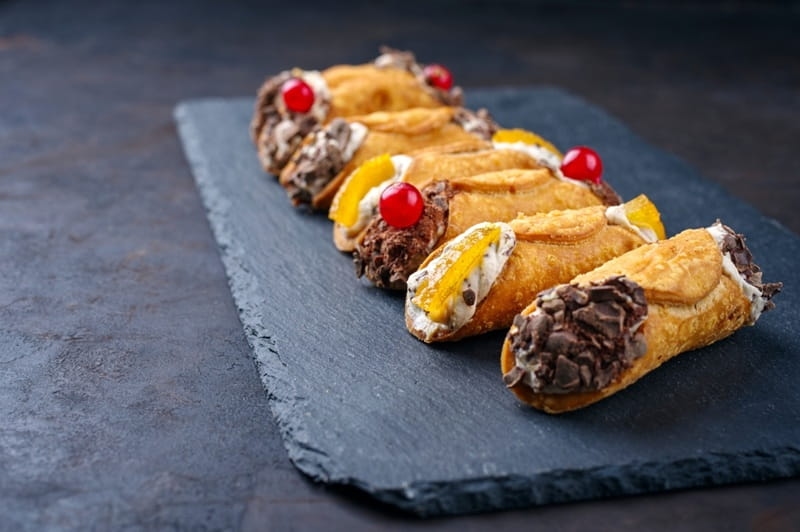
Before we get our hands dusty with powdered sugar, let’s set the mood. Cannoli aren’t just a dessert. They’re memory, celebration, and a little bit of rebellion against bland sweets. This piece walks you through how Cannoli siciliani are filled in Palermo kitchens, why the filling matters more than the shell (yes, really), and how you can recreate that magic at home in the US without overthinking it. We’ll talk ingredients, textures, timing, small mistakes that ruin everything, and those tiny chef habits that never make it into recipes. By the end, you’ll know not just how to fill cannoli, but when, why, and with what kind of confidence.
Cannoli siciliani aren’t rushed desserts. In Palermo, filling happens last, almost ceremonially. That alone should tell you something.
The shell waits. The filling waits. Nothing meets too early. This section explains why that pause matters and how it shapes the final bite.
Here’s the thing. Cannoli look simple, but they punish impatience. The traditional cannoli shells are fried hard and hollow, meant to crack, not bend. If you fill them too early, moisture creeps in. Slowly. Quietly. By the time you notice, the shell has gone soft and sad.
Palermo pastry chefs treat filling like a finishing move. The goal isn’t speed. It’s timing.
People talk flavor, but texture decides whether a cannolo is unforgettable or forgettable. You want contrast. Crisp shell. Creamy center. Tiny pops of chocolate or citrus. When done right, the bite snaps, then melts. No mush. No resistance.
That’s why Sicilian cannoli filling isn’t loose like frosting or dense like cheesecake. It sits right in the middle. Spoonable, but proud.
Before mixing anything, let’s clear the clutter. Authentic cannoli ingredients are fewer than you think, but each one pulls its weight.
This section keeps it honest. No fillers. No shortcuts, pretending to be tradition.
For a classic ricotta cannoli recipe, this is what Palermo pastry chefs stick to.
That’s it. No cream cheese. No mascarpone. No whipped cream. You’ll see those elsewhere, especially in the US, but they belong to a different dessert.
American ricotta tends to be wetter. That’s not a flaw, just a fact. But water is the enemy here. Palermo chefs drain ricotta overnight. Sometimes longer. Cheesecloth, colander, fridge.
If you skip this, your Sicilian cannoli filling will slump. The flavor may be fine, but the structure won’t hold.
Now we’re getting to the heart of it. This is where most home cooks go slightly wrong, usually by overmixing or over-sweetening.
Let me explain how Palermo pastry chefs keep things balanced.
First, the ingredients. Then, patience.
Ingredients For The Filling:
Step-by-Step Method:
Notice what’s missing. No mixer. No speed. Just a spoon and a restraint.
Overmixing introduces air. Air leads to softness. Softness leads to soggy shells. Palermo chefs mix just enough to combine, then stop. The filling should look rustic, not glossy.
Honestly, a few small lumps are a good sign.
Shells deserve respect, too. You can buy them, make them, or do both depending on your mood and schedule.
Either way, handling them right matters more than origin.
If you’re buying traditional cannoli shells, check their freshness. They should smell neutral, never oily or sweet. Store them in an airtight container, away from humidity.
Do not refrigerate shells. Ever.
Fill cannoli just before serving. Ten minutes max. In Palermo, they fill to order. At home, aim for the same rhythm. Guests arrive. Coffee pours. Cannoli get filled.
That’s the flow.
If you’re making shells from scratch, welcome to the deep end. It’s worth it, but it asks for attention.
This section isn’t a full shell recipe. It’s the stuff people forget to mention.
Oil too cool, shells absorb grease. Too hot, they blister unevenly. Palermo kitchens stay around 350°F. Steady. Calm. No rushing.
You’ll know they’re right when they bubble gently and brown evenly.
Thin dough. Even rolls. No thick edges. The shell should shatter slightly when bitten, not crumble like a cookie.
That snap? That’s the sound you’re chasing.
Here’s the moment. The part people romanticize. But it’s actually practical and precise.
This is where confidence shows.
Use a pastry bag. A zip-top bag with the corner cut works too. Fill from both ends. Always both ends. This avoids air pockets and keeps the center full.
Do not overfill. The filling should sit flush, not bulge.
A light dusting of powdered sugar. Maybe a few chopped pistachios on the ends. That’s it. Cannoli aren’t cupcakes. They don’t need dressing up.
In Palermo, less garnish signals confidence.
Let’s talk about the quiet errors. The ones that don’t seem big until they are.
Sugar sneaks up on you, especially with American tastes leaning sweet. Palermo cannoli are balanced, not candy-like. The shell adds sweetness. The filling supports it.
Taste as you go. Always.
Yes, we’re repeating this. Because it’s the most common mistake. Fill early, lose crunch—every time.
Filling cannoli like a true Palermo pastry chef isn’t about secret ingredients or fancy tools. It’s about timing, texture, and a little humility. Cannoli siciliani reward patience. They punish shortcuts. But when you get it right, really right, the result feels almost personal. A dessert that cracks, melts, and lingers. And honestly, that’s the whole point.
Yes, but drain it well. American ricotta holds more moisture, so overnight draining is key for structure.
Ideally under ten minutes. Any longer and the shells start losing their crispness.
Yes. The filling can be made a day ahead and refrigerated. Just stir gently before using.
Traditionally, yes. Variations exist, but ricotta remains the heart of classic Cannoli siciliani.
This content was created by AI