

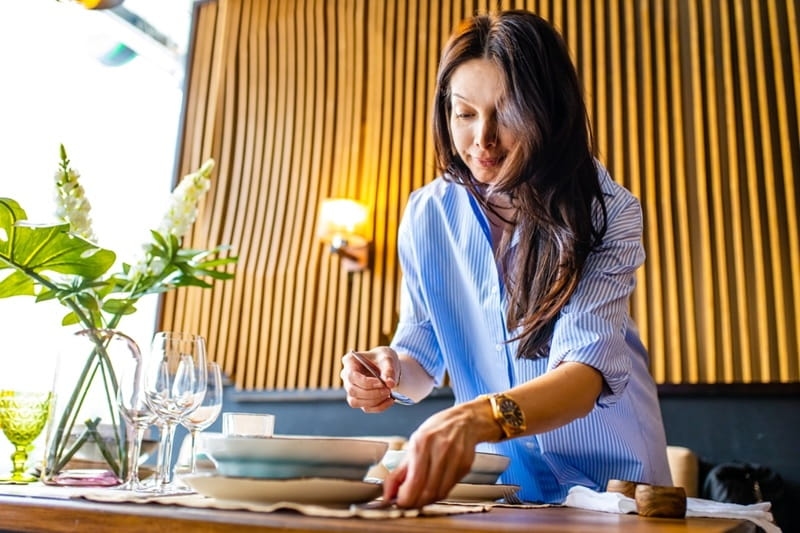
Traveling to Italy is about more than landmarks and museums. It is about moments at the table. Long lunches. Clinking glasses. Conversations that wander, circle back, then wander again. Food sits at the center of it all. If you want to feel comfortable, welcomed, and maybe even a little local, understanding how Italians eat matters more than memorizing train routes. This guide walks you through Italian table etiquette in a way that feels human, relaxed, and practical. We will talk about meals, manners, tiny rules that are not really rules, and why breaking one might earn you a smile instead of a frown.
Food in Italy is not fuel. It is a social language. This section sets the tone for everything that follows, because once you understand the why, the how becomes easier.
Italian table etiquette grows from tradition, but it lives in everyday habits. Meals are shared events. They stretch. They pause. They restart. People sit down not just to eat, but to connect. That is why rushing a meal can feel strange, even rude, without anyone saying a word. Dining manners in Italian style are gentle, not stiff. They ask for attention, not perfection.
Here is the thing. Italians notice effort more than accuracy. If you try to follow Italian meal customs, people respond warmly. No one expects you to act like you grew up in Rome. They expect curiosity and respect. That is the real rule beneath all the others.
Before talking about forks and glasses, it helps to know how meals usually flow. This section gives you the map.
A traditional meal often moves through antipasto, primo, secondo, contorno, and dolce. That sounds like a lot, but you are not required to order everything. Many locals choose just two courses. Proper Italian dining is flexible. What matters is pacing. You eat each course fully before the next arrives.
Lunch can be the main event, especially outside tourist centers. Dinner often starts later than in the US, sometimes after 8 pm. Showing up too early can mean an empty room. That quiet space might feel awkward, but it is normal. Restaurant etiquette, Italian style, respects local timing.
Small actions say a lot at the table. This section covers what Italians notice without pointing it out.
Hands stay visible, resting lightly on the table when not eating. Elbows are kept off the table, at least while eating. Eye contact matters during conversation. It signals interest and presence. Honestly, these habits make meals feel more connected.
Phones at the table are tolerated, but not loved. A quick message is fine. Endless scrolling is not. Italian food rules lean toward being present. Food cools. Conversations warm. Choose wisely.
This part causes the most stress for visitors, even though it should not.
The fork stays in your left hand, knife in your right. Pasta is twirled, not cut. A spoon may help, but only if offered. Once you finish, place the cutlery neatly on the plate.
Bread is for mopping sauce at the end, a move called fare la scarpetta. It is acceptable in casual settings, less so in formal ones. Bread is not an appetizer.
Menus can feel intimidating. This section helps you relax and enjoy the process.
Servers expect questions. Asking what is fresh or local shows interest. Splitting dishes is sometimes accepted, sometimes not. It depends on the place. Restaurant etiquette in Italy varies by region and mood. When unsure, ask politely.
Cappuccino is a morning drink. After meals, espresso is the norm. Ordering a latte means milk. Just milk. That surprise is part of many travel stories. Learn from them.
Drinks come with their own set of quiet signals.
House wine is common and often excellent. Bottled water comes still or sparkling. Tap water is not always offered. When toasting, make eye contact. Say salute. Sip. Smile.
Wine accompanies food. It is not rushed. Getting drunk at the table feels out of place. Italian meal customs favor enjoyment over excess.
Context changes expectations. This section explains how.
Restaurants range from formal to family-run. Trattorias feel relaxed. Service moves at its own speed. Asking for the check too early can feel abrupt. Wait until the end of the meal feels complete.
If invited to an Italian home, bring something small. Flowers or sweets work well. Compliment the food, but avoid overdoing it. Helping clear plates is polite, but accept no if refused.
Italy is many cultures stitched together by food.
In the north, butter and rice appear more often. In the south, olive oil and tomatoes rule. Meal timing, portion size, and formality can shift. Dining manners in Italian style adapt to the place.
Tourist zones bend rules more. Local spots keep them quiet. Watching others is the best guide. You know what? Observing can teach more than any list.
Everyone slips up. This section keeps things light.
Cut your pasta? Ordered cheese on seafood? It happens. A simple smile and willingness to adjust smooths things over. Italians value ease more than correctness.
Look around. Match the pace. Follow the lead. Italian table etiquette often lives in imitation, not instruction.
This final section brings it all together.
When you respect Italian food rules, meals open up. Conversations stretch. Servers relax. You feel less like a visitor and more like a guest.
Years later, you may forget museum lines. You will remember a shared plate of pasta, a late dinner, a quiet nod of approval from a waiter. That is the real souvenir.
Mastering Italian table etiquette is not about memorizing strict rules. It is about tuning into rhythm, respect, and shared pleasure. For travelers from the US, the shift can feel subtle yet powerful. Slow down. Watch. Listen. Let meals unfold. When you meet Italy at the table with curiosity and care, the country meets you back, fork by fork.
Not really. It values respect and awareness more than perfection. Effort goes a long way.
Small adjustments are sometimes accepted, but big changes are uncommon. Simplicity works best.
Service is often included. Leaving small change is appreciated, not required.
Rushing meals. Italian dining is meant to linger and breathe.
This content was created by AI