

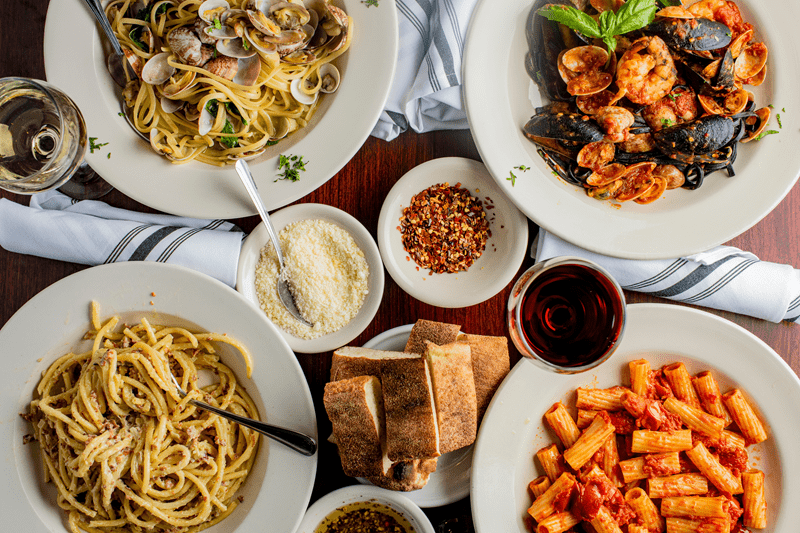
Italian food traditions go deeper than simply what you find on a plate; they serve as a living testament to history and the bonds between families and cultures. After centuries of Italian culinary tradition being passed down via word of mouth through families, these Italian food traditions still exist today and define everything from how Italians cook to how they eat together and what an Italian family shares. For example, the slow-cooked spaghetti sauce that was once served only on Sundays represents both an Italian food ritual and an example of how Super Bowl Sunday dinner (a meal typically served with spaghetti) connects Italian chefs from across Italy with their American counterparts through the shared experience of eating together.
Food moves at its own pace in Italy and has a place in people's daily lives; it is not just for eating but has intrinsic value as a cultural expression. As part of Italy's rich cultural heritage, food is an integral part of our daily existence; to an extent, we partake of Italian foods every day and prepare our meals using the same recipes used by Italian ancestors for generations.
The surviving influence throughout time of Italian culinary practices is demonstrated by the emphasis on simplicity, the respect for one’s ingredients and their ability to create an emotional bond between a cook and a diner through a shared meal. Instead of following the latest food trends, Italians draw on their understanding of tradition to emphasize quality, seasonality, and patience in food preparation as key characteristics of their food culture.
The primary element of Italian food traditions is that food is viewed as a social activity and that cooking is done with love. Eating together as a family creates an opportunity to strengthen bonds. Thus, the values of Italian culinary tradition have remained intact throughout the years, despite societal modernization, and have remained authentic to their culture.
Each dish tells a story about the community, the region, and the ancestors. The meaning of Italian food as a cultural tradition explains why Italian recipes passed down through the generations are revered, guarded, and intentionally recreated by Italian families.
Italy's geography, weather, and history have contributed to the creation of many different Italian food styles. Northern Italian meals tend to be heavier, with rice and fat, while southern Italian meals feature many tomatoes and vegetables from warmer climates and are made with olive oil.
The difference in regional cooking techniques and ingredients does not prevent many cooking philosophies from being similar throughout Italy. Italian chefs strive to use locally grown produce whenever possible, limit the number of steps from farm to table, maintain recipe tradition, and protect the authentic taste of their cuisine.
Food rituals are central to many facets of Italian family life. Births, weddings, holidays, and grief are all celebrated through eating. The connection between food traditions and family unity elevates the Italian tradition of feeding one's family from the mere act of obtaining sustenance to an actual sacred event.
The Sunday lunch, for example, is an integral part of Italian life. Generations of the same family will gather to eat the traditional Italian meal—handmade pasta with slow-simmered sauce. It is during this meal that the sense of identity and belonging to a family is reinforced.
Timing plays a crucial part in the Italian culinary tradition. Antipasto is eaten first, followed by Ziti or Gnocchi (primi, secondi), ending with dessert. This process reflects the level of respect Italians have for food and for those with whom they share it.
The heart of the Italian Culinary Tradition is found in the Family Kitchen, and it is here in the Family Kitchen that children learn through observation, sampling and participation. Kitchens operate by “feel” and experience more than by precise measurements or strict rules, which are written instructions. This method of “how to cook” passes down Italian recipes over generations without changing or losing them. Individual families have their own unique way of preparing dishes; however, the fundamental aspects of the Italian culinary tradition remain intact. This active transmission helps preserve the culinary traditions that Italy holds dear from becoming pasteurized or commercialized.
Italian dishes represent a family's heritage and develop a regional sense of honour through food preparation. Traditional Italian recipes will have been passed down through generations as part of the family's oral history, with the understanding that preparation is distinct from other forms of culinary instruction because it is an oral tradition based upon repetition of recipe ingredients, quantities, techniques, etc. This has developed personal connections and accountability within families for maintaining the heritage of what it means to be Italian.
By making the same dishes each year, families continually maintain their heritage of Italian cooking while demonstrating their commitment to cultural values that place emphasis on continuing the tradition rather than taking a shortcut for convenience.
Italian cuisine relies heavily on seasonality. Italians support their food by using only what is available from the earth (fresh and sustainable). The concept of using what is available in the surrounding area to cook has been passed down from generation to generation; therefore, these customs are an instinctual factor of how Italian culture cooks.
Emphasizing the importance of eating in accordance with the seasons further underscores food as a ritual, establishing a natural rhythm to each meal. Each season's produce has a symbolic association with that season: spring (when vegetables are in abundance), summer (when tomatoes ripen), fall (when truffles are harvested), and winter (when legumes are harvested).
Following these traditions helps to hold onto the traditional Italian food system while protecting Italian food traditions from the effects of an industrialized food culture.
Modern Italy's dining also has the same Italian traditions. Fast food does exist, but it is not a substitute for home cooking. Instead, Italian dining continues to be social, slow, and intentional in its preparation and consumption.
Most Italian restaurants have limited menus based on regional authenticity, and this limitation allows restaurateurs to maintain customs and traditions over mass production of their food due to the importance of the ritual of preparing and consuming Italian foods.
Italian chefs of today innovate on traditional recipes while adhering to the foundational aspects of Italian cooking (${1}$). Chefs recognize the cultural meaning of the food served and the importance of the ritual represented.
The distinctive culinary traditions of Italy's various regions influence and enrich Italy's national identity. While the Italian culinary traditions of Italy provide a unifying theme, each region showcases its pride through its regional foods. Emilia-Romagna's rich tradition of making pasta provides a strong contrast to Sicily's distinctive and flavorful seafood-based dishes. As a result, Italian cooking expresses diversity while maintaining a common set of practices that link many generations of Italian cooks. Regional cooking also illustrates the increased variability of Italian cooking due to changes in the environment, while retaining the cohesion of Italian culture.
Whether it's Italy or any corner of the world, people love Italian cuisine because it has peacefulness, wonderful taste and philosophy behind it all. The world is happy to borrow from Italy’s traditions of cooking because people believe in using true ingredients and the connection between people and their foods.
Chefs of all types around the world can draw from the culinary heritage of Italy, while still using their own local customs. The original recipes of Italian cooking will continue to be important into the future.
The greatest reason Italian cuisine is universally appealing is the ritualistic aspect of food; it means meals are meant to support the body and spirit equally.
As people's way of life changes, so do Italians' eating and cooking. With a strong family bond and emphasis on ritual, the Italian food culture will not disappear. The younger generation continues to pass down traditional Italian recipes but will sometimes incorporate modern methods when using them. This allows the continuation of the strong Italian culinary heritage rather than its complete replacement. If the culinary customs of Italy are respected and passed down, these customs will continue to exist and influence future generations.
The customs and traditions found in Italian cuisine express cultural, familial, and historical values that are tied into a single life. Italian cuisine expresses multiple values and traditions, many of which have been maintained through generations. Traditional Italian customs continue to be a vital aspect of Italian cultural identity.
The tradition of Italian food fosters strong bonds within Families by providing a way to create Family meals together and hold on to Family heirloom Italian recipes, while also reinforcing the value of Family's food customs, through culturally consistent Families.
The Italian culinary customs vary throughout the Country founded on Geographic regions, with local products and continued to use Italian culinary practices in being consistent with Italian cooking heritage.
The Food Ritual Significance makes mealtime a Celebration, through the connection of Family Identity and commitment to Faith, in relation to Family, as well as the expression of Emotion for Italian Families.
Currently Generational Italian Recipes are preserved in the Family home, through oral teaching, through repetition in order to keep the connection of Italian Cooking Heritage true to its Origins and as is.
The Italian Cooking Heritage remains Valid on a Global Level based on the continued use of Traditional Italian Practices of Simplicity, Quality of Ingredients, and Meaningful Culinary Customs that are still revered by Families.
This content was created by AI