

If someone mentions Italian cuisine, you'll probably think of pizza, pasta, lasagna, and tiramisu. While those famous Italian dishes absolutely deserve to be world-renowned, the real heart of Italy's culinary traditions lies off the beaten track in local villages, regional kitchens, and family-owned trattorias, with recipes passed down from generation to generation.
There are over 20 regions across Italy, each with unique local produce, food customs and traditions, and cooking methods. In fact, food historians estimate that there are more than 5,000 regional Italian cuisines still cooked and enjoyed today. That means any traveler who sticks solely to famous menu items will miss out on a huge chunk of authentic Italian cuisine.
This guide delves into five authentic regional Italian foods that need far more recognition. From satisfying countryside fare to unique seafood dishes, here are five recipes that truly embody the heart of traditional, regional, and rare Italian foods. What each dish is, where best to try it, and why it's so important to the locals will be explained along the way.
Today, Italian food is more widely recognized globally as being comprised solely of pizza, spaghetti, risotto, and gelato. Although all these dishes are indeed incredibly delicious and undeniably a huge part of the culture, many other traditional, regional Italian dishes haven't traveled beyond the local communities where they originate. One reason for this is that many of these traditional Italian foods originated with families who may not have given much thought to promoting their food for commercial purposes, instead cooking it primarily for practical reasons.
In addition, most lesser-known Italian dishes use local ingredients and components that are harder to find in other regions; it's believed that cheeses, cured meats, and some seafood dishes simply wouldn't taste as good when taken outside their original regions. Some recipes aren't written down and are passed purely through family members.
Also contributing to the reason for many regions having obscure dishes is that most tourism around Italy is centered in Rome, Venice, Florence, and Milan, according to European travel studies, and many other regions are barely touched by international tourism at all, meaning they have no incentive to market their food towards tourists, preferring the more traditional local approach. Fortunately, with growing interest in the local aspects of food and its origins, the more traditional dishes have begun to emerge from obscurity.
It would be far too time-consuming to go through all 5,000 regional Italian dishes still eaten today, but this list covers the top 5 "most desirable," if that makes sense. These dishes demonstrate the variety, quality, creativity, and history behind authentic Italian cuisine.
Ciauscolo is a spreadable Italian salami made from pork, garlic, black pepper, and white wine. While cured meat is usually sliced before it's eaten, this type of sausage can be spread onto bread while it's still fresh and tender.
The regional dish is said to originate in both Marche and Umbria, with farmers first preparing it as a warm, filling winter dish. Many people claim its texture is a surprise to first-timers, closer to pâté than to salami.
Marche region and Umbria. Small villages surrounding Macerata and Ascoli Piceno are ideal, and the best way to taste them is with a visit to a local wine bar or rural agriturismo. You can also expect to be offered a good quality regional red wine.
Ciauscolo really is Italian comfort food in a nutshell. It's intrinsically linked to the Italian countryside, rural traditions, and family cooking. Unlike many industrial meat producers, this dish is traditionally handmade in small batches by families using old, traditional methods of preserving meat, offering you a unique, smooth taste you will never forget.
Pasta alla Norma is a Sicilian dish of pasta (usually rigatoni or spaghetti), aubergine, tomatoes, basil, and ricotta salata cheese, named after Vincenzo Bellini's famous opera Norma, the composer of which was a native Sicilian.
It may sound like a relatively simple dish, but the combination of sweet, juicy tomatoes; slightly salty, crumbly cheese; and silky aubergine is heavenly, with each flavor contributing to a delicate, rich, and balanced dish.
Catania, in Sicily, is considered the dish's birthplace. Family-run restaurants and cafes in Catania serve fantastic, fresh versions of this dish, particularly those made with aubergine from around Mount Etna, which is said to have absorbed soil nutrients, providing an intensified flavor.
This dish embodies Sicily's Arabic, Mediterranean, and Italian influences and is a perfect example of how diverse traditional regional Italian cooking is. It's vegetarian, incredibly cheap, and provides a very filling, comforting meal.
Ribollita is a thick Tuscan soup made from vegetables, including kale, carrots, and onions, thickened with old, dry bread and olive oil. Literally "reboiled," this dish was originally considered a peasant food, prepared with whatever was available.
This Italian dish has been made since the 14th century, but it has been adapted and is now considered a more rustic yet elegant meal that can even be found on higher-end restaurant menus.
Florence and the Tuscan countryside will provide the best experience of the most traditional form of the dish. This dish is far more popular in winter, so if you visit in summer, don't expect to see it on many menus.
This dish is perfect for an immersion into true "waste nothing" Italian food culture. What was originally just a way for peasants to provide a nourishing meal using leftovers has been transformed into a warming, healthy, and filling dish that also showcases Italian agricultural traditions. Experts say this is due to its high fiber and protein content, which are derived from the large volume of beans it contains.
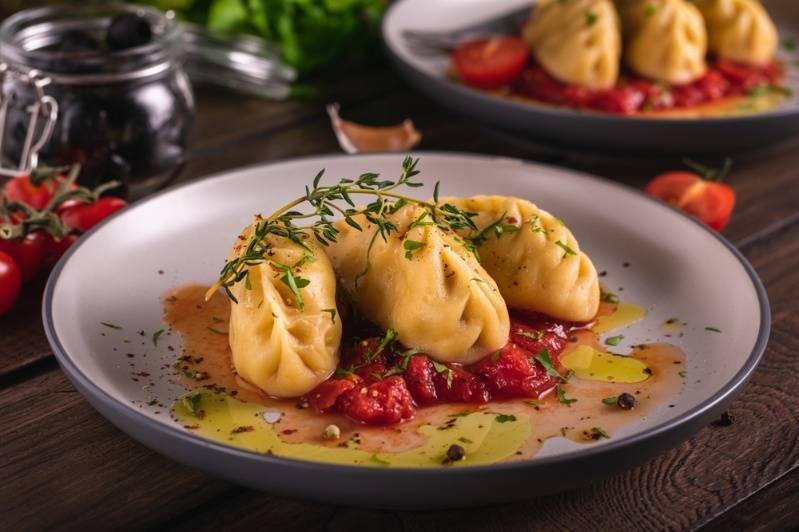
Culurgiones are a type of Sardinian pasta, filled with potatoes, pecorino cheese, garlic, and mint, and it's said that they represent the form of wheat. These small, shaped parcels are also commonly called ravioli or dumplings.
It is believed that these parcels of pasta were made by rural Sardinian women to take with them while working in the fields and that they were a nutritious and hearty meal that wouldn't lose their freshness or taste over long periods.
Ogliastra region, the birthplace of the Culurgiones. You should still find it easily on the menu at restaurants throughout Ogliastra, particularly in the smaller villages.
This is not just a meal; it's a symbol of the Sardinian culture. Culinary practices have helped shape the lives and communities of the long-living Sardinians in the island's "Blue Zone," an area with the highest concentration of centenarians.
Sarde in Saor is a dish originating in Venice, made with fried sardines and onions, marinated in a sweet-and-sour sauce of vinegar, raisins, and pine nuts. It is believed that during medieval times, Venetian merchants would create this dish from fried sardines to store during their trading journeys around the Mediterranean Sea and through to the Middle East.
Venice is the obvious place for this dish, and it can usually be found on the menu at any bacaro (a small, local bar that serves cicchetti, or Venetian tapas), where it's perfect as a cicchetto in its own right.
This dish provides evidence of the extent of trade between Venice and the Middle Eastern and Mediterranean worlds in the past and offers a delicious, unique sweet-and-sour flavor combination unlike anything else you are likely to eat in Italy!
Italy's food scene is so much more than its globally renowned dishes. By stepping beyond the tried-and-tested to discover less familiar Italian dishes, I have found a delicious way to unlock centuries of tradition, local character, and outstanding taste. Whether I am experiencing the velvety smooth, spreadable texture of ciauscolo or a bowl of comforting, thick ribollita, each dish tells the tale of the people and regions it comes from.
Central to authentic Italian dishes and cooking, however, are the values of simplicity, local produce, and family connection. Whether you find yourself on the shores of Sicily, amongst the vineyards of Tuscany, on the islands of Sardinia, or in the city of Venice, taste the local specialties to gain an entirely new perspective on Italian food. Forget the busy tourist traps and seek out smaller, local establishments; ask locals for their favorites, and discover the real heart of Italy one meal at a time.
Historically, the Italian peninsula was divided into various kingdoms and regions until 1861. Because of this, each region developed its own style of cooking, using specific regional ingredients, recipes, and techniques, often dependent on the climate and geographic landscape, as well as any associated trade relations. For example, the North of Italy heavily uses butter and rice, while the South of the country relies on olive oil, seafood, and tomatoes.
In most cases, lesser-known Italian dishes are cheaper and more affordable than the classic dishes we find in restaurants. They were typically peasant or family dishes (for instance, the traditional Italian food recipe, ribollita). The dishes utilize staple ingredients rather than fine goods (for example, Pasta Alla Norma's traditional Italian food recipes), and eating in smaller towns will mean you are likely to pay much less than in the major tourist traps.
The spring and autumn are considered two of the best times to eat regional Italian food because of the freshness of ingredients that become available, and there is less tourist footfall at this time of year. Autumn, in particular, is renowned for its truffle- and mushroom-based recipes and its wine festivals. The winter months lend themselves to hearty comfort food; you should be prepared for dishes that often involve slow-cooking ingredients to deliver that traditional Italian flavor.
This content was created by AI