

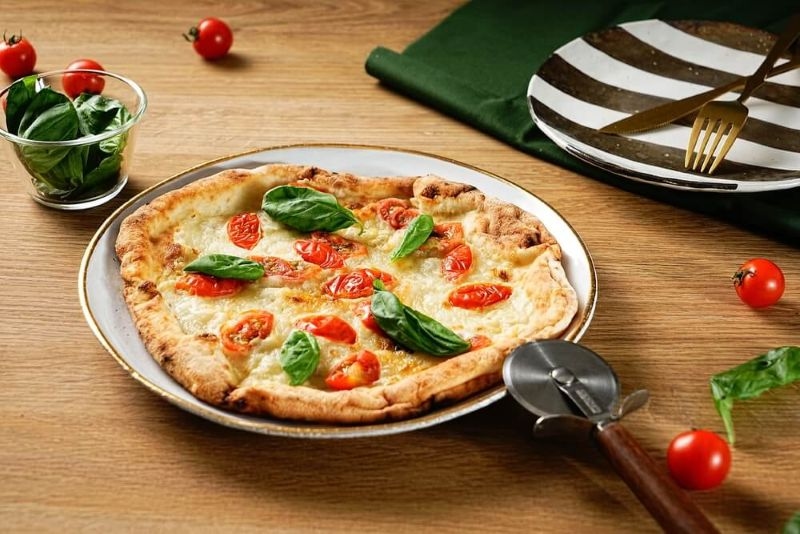
There are pizzas that feel like a meal, and then there’s the kind that feels like a place. Naples has that kind. Soft center, puffy edges, a few charred spots, and toppings that don’t fight each other. Simple, but not boring. The best kind of simple.
That’s why pizza napoletana has such a strong reputation. It isn’t about piling on toppings or chasing crunch. It’s about balance. Heat. Timing. And trusting a few great ingredients to do their job.
This guide covers what makes the style unique, what the dough should feel like, what toppings matter most, and how someone can get surprisingly close at home, even without a massive brick oven in the backyard.
Real pizza napoletana is defined by a few clear traits: a thin base, a soft and airy rim, and quick baking at high heat. The crust should be tender enough to fold, not stiff like a cracker. The center should be moist, not dry. And the toppings should look like they landed gently, not buried under cheese.
This style also has deep roots in Italian pizza history, where street food in Naples became a cultural symbol. It started as simple food for working people. Cheap, fast, filling. Over time, it became an identity.
The funny part is that it still feels humble. That’s part of the charm.
If a pizza has five main components, every one of them matters. There’s nowhere to hide.
The classic traditional pizza ingredients for this style are:
That’s it. No sugar. No oil in the dough. No heavy sauces. Quality makes the difference.
For tomatoes, many people choose San Marzano style tomatoes, crushed by hand. For cheese, fresh mozzarella is common, especially fior di latte or buffalo mozzarella, depending on preference and availability.
When ingredients are right, the pizza tastes clean. Not heavy. Not greasy.
Good Neapolitan pizza dough is soft, elastic, and a little sticky. It’s built for high heat and fast baking, not long, dry cooking.
A basic home-friendly dough formula looks like this:
Steps:
The goal is dough that stretches easily without tearing. If it snaps back hard, it needs more rest.
This is where patience matters. People often rush proofing, then wonder why shaping feels like a wrestling match.
This part is almost emotional for pizza people. Rolling pins flatten air bubbles, and those bubbles are what make the rim light and puffy.
To shape:
The center should be thin enough to hold toppings without tearing, and the rim should stay airy.
If someone rips the dough, it happens. Patch it, learn, move on. Dough has a learning curve. No shame.
Classic authentic Naples pizza does not try to impress with quantity. It impresses with restraint.
The two most iconic styles:
Topping tips that help at home:
The pizza should come out with distinct elements, not one melted puddle.
True Neapolitan pizza is baked in a blazing hot oven, often around 800 to 900°F. That intense heat creates rapid rise, soft interior, and blistered char.
Most home ovens don’t hit those temps, so the trick is using what they can do well.
To mimic wood fired pizza techniques at home:
A pizza steel is especially helpful because it holds heat aggressively, which improves oven spring and bottom browning.
If someone has an outdoor pizza oven, even better. But it’s not required to get a satisfying result.
In a proper oven, Neapolitan pizza bakes in about 60 to 90 seconds. At home, it may take 5 to 8 minutes, depending on heat and setup.
A good home bake looks like:
If the crust gets crisp like a cracker, the oven might be too low or the bake too long. If the center stays raw, the stone or steel may not be hot enough, or toppings may be too wet.
Drain mozzarella, use less sauce, and avoid piling on toppings. Neapolitan is not a loaded style.
It may be under proofed or handled too roughly. Let it rest longer before stretching.
Overbaking or too much flour during shaping can do this. Use a light dusting, and keep bake time tight.
Higher heat helps, plus baking closer to the broiler. Strong heat is what creates those classic spots.
There’s a reason people chase this pizza style. It’s not just taste. It’s the whole experience. The simplicity. The speed. The drama of high heat and a dough that transforms in minutes.
And it connects directly to Italian pizza history, where food was meant to be accessible, communal, and honest. A pizza that looks imperfect and still tastes incredible. That’s the dream.
The best part is that once someone learns the basics, they can stop overthinking. Dough, heat, a few toppings, and confidence.
A home kitchen won’t fully replicate a Naples oven, but it can get close enough to make people proud. The key is respecting the dough, keeping toppings light, and baking as hot as possible.
Once that clicks, pizza napoletana becomes less of a “project” and more of a habit. A fun one. The kind that brings people into the kitchen like they can smell what’s coming.
Yes. “00” flour is traditional, but bread flour works well at home. The texture may be slightly chewier, but the results can still be excellent.
Use the highest oven temperature available, ideally 500 to 550°F, and preheat a stone or steel for at least 45 minutes. Use the broiler to boost top heat if needed.
Too much sauce, wet mozzarella, or too many toppings often cause this. Use less sauce, drain cheese, and keep toppings minimal for a balanced bake.
This content was created by AI