

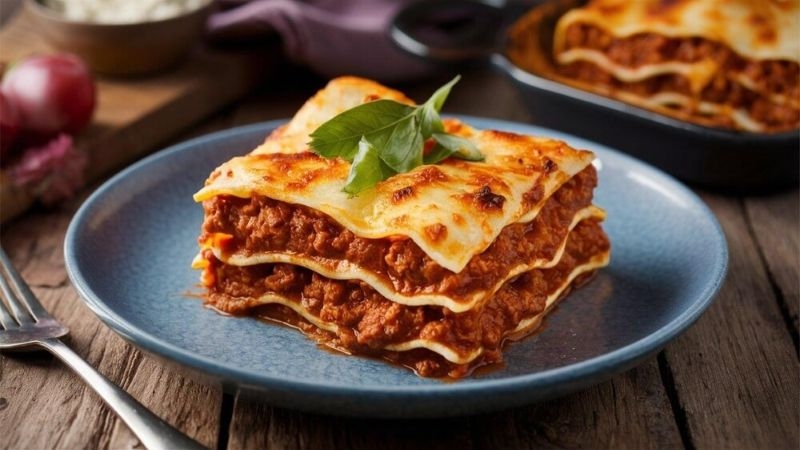
When you think of Italian comfort food, lasagna bolognese is probably the first thing that comes to mind. There’s nothing quite like it—rich, slow-cooked, and made with real care. This isn’t the kind of thing you throw together on a weeknight. It’s what Italian families make on Sunday, letting the sauce bubble away while everyone hangs out in the kitchen, swapping stories.
A real nonna swears by patience, simple ingredients, and sticking to tradition. Here, you’ll find an authentic lasagna recipe straight from classic Italian kitchens. This guide has clear steps, honest ingredients, and the kind of flavors that make you want to sit down and stay awhile.
Traditional bolognese lasagna isn’t about piling on cheese or cutting corners. It’s about getting everything to work together—the sauce, the pasta, the creamy homemade lasagna layers—so no one part takes over. In Italy, lasagna isn’t drowning in sauce or cheese.
The real magic comes from the bolognese meat sauce they’re famous for in Bologna. You start with ground meat, vegetables, tomato, and milk, and you let it cook nice and slow. That slow simmer is everything. It builds a flavor you just can’t fake. With careful layering, you’ve got the foundation for real lasagna bolognese.
Real lasagna doesn’t need a bunch of extras. You just need the right stuff—fresh vegetables, good meat, and real dairy. Every ingredient counts. Put them together, and you end up with something that really hits the spot.
For the meat sauce, use both ground beef and pork. That mix gives you the right balance of flavor and texture. Carrots, onions, and celery go in first, cooked slowly in olive oil. Toss in tomato paste for depth, then add milk to soften the acidity. That’s the trick that makes the sauce truly Italian.
Lasagna sheets can be fresh or dried, but make sure they’re cooked right. And don’t reach for ricotta—classic lasagna preparation includes bechamel sauce. It keeps things smooth and lighter, not overly heavy.
The sauce is everything, so don’t rush it. Start by gently cooking your chopped onion, carrot, and celery in olive oil. Take it slow—this is where the flavor starts to build. Once the veggies are soft, add your ground meats and cook until browned.
Next, stir in tomato paste, then a bit of tomato sauce or crushed tomatoes. Pour in the milk bit by bit—it might seem odd, but it’s traditional, and it really matters. The milk tames the tomato’s sharpness and gives the sauce a silky feel. Let it simmer on low for at least an hour and a half, stirring when you remember.
You want a sauce that’s thick, not runny. That way, your lasagna layers stay together and don’t slide all over the place. The longer it cooks, the better it tastes. That’s why nonnas will always tell you, Don’t rush the sauce.
Classic Italian lasagna doesn’t use ricotta. Instead, you make a simple bechamel—just a white sauce, but it makes a huge difference. It’s creamy without stealing the spotlight from the meat sauce.
When you layer it with the meat sauce, you get that unmistakable, comforting taste of real lasagna.
Pasta sheets aren’t just there to fill space—they hold everything together. For a classic lasagna preparation, you want the pasta tender, never mushy. If you’re using dried sheets, boil them for just a minute or two in salty water, then lay them flat so they don’t stick.
Fresh pasta works too and makes the whole thing a bit softer, almost silky. Whichever you pick, make sure the sheets are ready to soak up those sauces. This step matters. Well-prepped pasta makes for nice homemade lasagna layers and helps everything bake up just right.
When you nail it, the pasta blends right in with the rest, not just sitting there as a bland divider.
This is where the magic happens. Start with a little meat sauce at the bottom of your dish. It stops the pasta from sticking and adds a hit of flavor right from the start. Now lay down your pasta, then more meat sauce, a spoonful of bechamel, and some grated cheese.
Keep going—pasta, sauce, bechamel, cheese—until your dish is nearly full. Finish with a layer of bechamel and a good handful of cheese on top. Don’t drown the whole thing in sauce, or it turns soupy. Too little and the lasagna dries out. Balance is everything.
This way, every forkful gives you that perfect mix—pasta, sauce, and creamy goodness.
Baking is the home stretch. Slide your lasagna into a hot oven and let it go until the top is golden and the edges bubble—usually 40 to 45 minutes.
Here’s the hard part: don’t cut into it right away. Let it sit for at least 15 minutes. This gives the layers time to settle, so you get clean slices that actually hold together.
A rested lasagna looks gorgeous and tastes even better. You’ll see those careful layers and all that work paying off.
Keep it simple. Lasagna is rich, so a small slice is enough. Pair it with a crisp green salad or some crusty bread. No need for heavy sides—the lasagna’s the main event.
That’s how it’s done in Italy. It’s about balance and quality, not piling your plate sky-high. Serve it this way, and bolognese lasagna feels both comforting and special.
Lasagna bolognese isn’t a quick fix, and honestly, that’s the magic. You take your time building each layer, letting the flavors get cozy with each other until the whole thing just works—warm, rich, and so comforting. There’s this balance between sauce, pasta, and creamy béchamel that hits like something straight out of a family kitchen in Italy.
When you make this, you’re doing more than just putting food on the table. You’re stepping into a tradition built on patience, good ingredients, and the joy of sitting down with people you actually want to be around.
Traditional lasagna bolognese isn’t just a set of instructions you follow. It’s about taking your time, choosing ingredients you’re proud of, and letting yourself sink into the whole process. This dish goes way beyond dinner.
It’s pure Italian comfort from the oven, something that feels right whether you’ve got a table full of friends or just want something special on a quiet weekend. Every bite carries a little warmth—and a lot of tradition.
Lasagna bolognese uses a slow-cooked meat sauce and bechamel instead of ricotta, so it’s richer and smoother than the usual American version.
Definitely, you can assemble the lasagna a day early and bake it when you need it. The flavors get even better.
Yes, for Italian meat sauce lasagna, bechamel is key. It brings creaminess and keeps things balanced without making the dish too heavy.
Get your sauce thick enough, cook the pasta right, and let the lasagna rest after baking. This helps it hold together and look great when you slice it.
This content was created by AI