

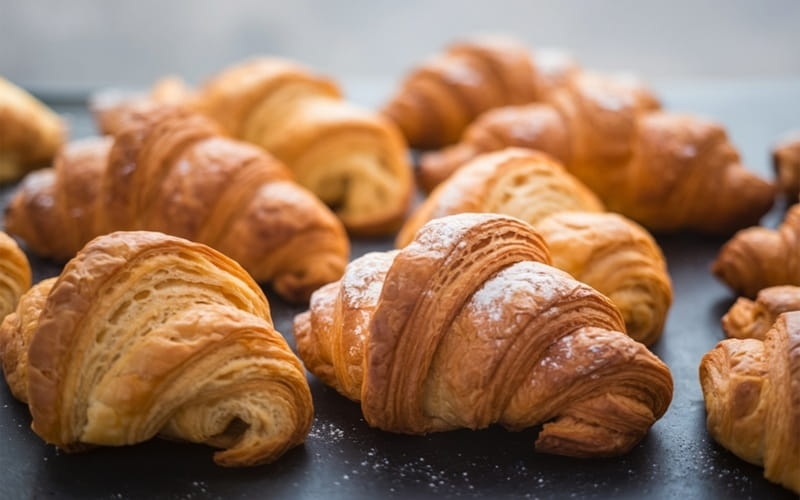
If you have ever stood in a kitchen watching dough fight back while the clock keeps ticking, you already understand the quiet promise behind sfogliatelle napoletane. This pastry asks for patience, a little faith, and a willingness to slow down. In return, it delivers something rare: a crispy Italian pastry that feels both indulgent and deeply comforting. This article walks you through why these famous shells are worth every minute spent, from their layered structure and ricotta heart to the tradition, technique, and even the joy of baking them at home. Along the way, we will talk flavor, texture, culture, and yes, the practical side too.
Sfogliatelle napoletane are not rushed pastries. They reward time, attention, and a steady hand. Let me explain why that matters so much.
The first thing you notice about sfogliatelle napoletane is the texture. Shatteringly crisp outside, soft and fragrant inside. That does not happen by accident. Each thin layer of dough is rolled, stretched, and folded with care. Skip a step or hurry through it, and the magic fades.
This is a layered Italian pastry that behaves a bit like a stubborn old friend. Push too hard, and it pushes back. Take your time, and it opens up. That slow pace becomes part of the pleasure. Honestly, it is refreshing in a culture that loves shortcuts.
Here is the thing. Flavor needs breathing room. When the dough rests, the gluten relaxes. When fillings sit, aromas mingle. In traditional sfogliatelle preparation, these pauses are not empty moments. They are doing real work behind the scenes.
Think of it like letting a good soup simmer. Nothing flashy happens minute by minute, but the final spoonful tells the whole story. That is why sfogliatelle napoletane taste so complete, so finished, even without frosting or decoration.
Every good story has structure. With sfogliatelle napoletane, that structure is literal. Layers define everything.
Rolling dough paper-thin takes practice. Stretching it without tearing takes feel. The goal is transparency without weakness. Each layer traps a whisper of fat and air, which later turns into crispness in the oven.
There is a moment in the process where doubt creeps in. The dough looks fragile. The layers seem too thin. You wonder if it will hold. This is normal.
Traditional sfogliatelle preparation relies on trust. Butter keeps layers separate. Resting time keeps them calm. Heat does the final job. It is a quiet collaboration between baker and ingredients, and it works if you let it.
If the shell is about patience, the center is about comfort. The filling makes sfogliatelle napoletane feel human.
A good ricotta sfogliatelle filling is creamy without being heavy. Ricotta cheese brings gentle richness. Semolina adds body. Citrus zest lifts everything just enough.
This is not a sugar bomb. It is balanced, almost restrained. That balance is what makes you want another bite instead of feeling done after one.
Some bakers add a hint of cinnamon. Others lean into orange peel. In the US, you might even see vanilla sneaking in. Purists may raise an eyebrow, but you know what? Pastries evolve.
What matters is respect for the core idea. The filling should support the shell, not steal the spotlight. When that happens, sfogliatelle napoletane feel timeless rather than trendy.
These pastries are not just food. They are memory, habit, and ritual rolled into dough.
In Naples, sfogliatelle napoletane are often tied to mornings, bakeries, and routine. You stop in, grab one warm from the case, and head on with your day.
At home, the preparation can stretch across hours or even days. That sounds like a lot, but it also creates space. Conversations happen while the dough rests. Coffee gets refilled. Time slows down in a good way.
Across the US, there is a growing love for baking projects that ask more from us. Sourdough had its moment. Laminated doughs followed. Sfogliatelle napoletane fit right in.
They feel like an accomplishment. You cannot fake them. When you pull a tray from the oven and hear that crackle, it feels earned.
This is where fear often sets in. The pastry looks complicated. The steps seem long. Let us calm that down.
For The Dough
For The Filling
It is a process, yes. But each step is manageable. One foot in front of the other.
After all that work, the payoff matters. Luckily, sfogliatelle napoletane deliver. That first bite says everything. Crisp shards give way to creamy filling. Warmth meets fragrance. It feels indulgent but not sloppy.
There is pride baked into these shells. You cannot rush them. You cannot fake them. When they come out right, you know you did something real.
Sfogliatelle napoletane are worth every minute because they stand for something bigger than dessert. They stand for patience, craft, and the quiet joy of doing something the long way. From the layered Italian pastry shell to the gentle ricotta sfogliatelle filling, every element plays its part. Whether you buy one from a bakery or tackle the Neapolitan pastry recipe at home, you are participating in a tradition that values time. And sometimes, slowing down is the sweetest reward of all.
They take time and practice, but they are not impossible. Following the steps carefully makes a big difference.
The many layers and crisp texture set them apart. Most pastries do not have that dramatic shell.
Yes, the dough and filling can be made in advance. This actually helps with flavor and timing.
Warm is ideal because the shell is crisp and the filling soft. Room temperature still works if needed.
This content was created by AI