

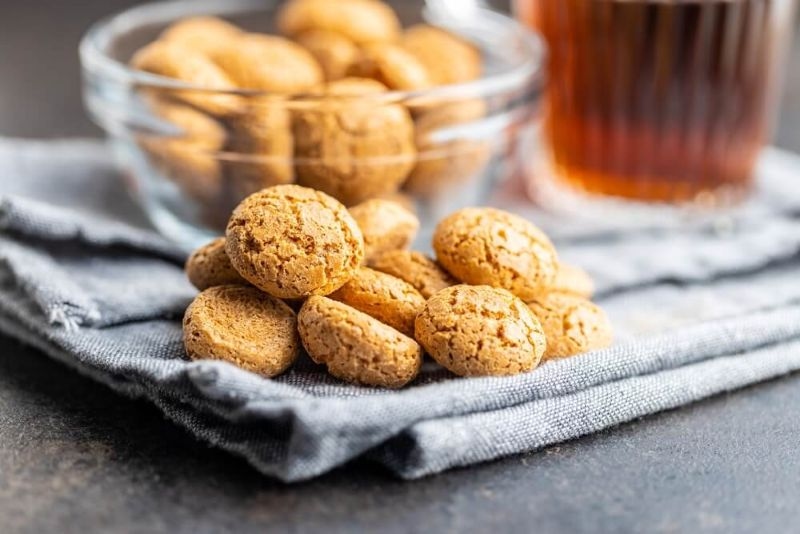
Amaretti cookies have this magic about them—crackly on top, soft in the middle, and bursting with almond flavor. They might look unassuming, but every bite carries a legacy of Italian grandmas who knew exactly what they were doing. What grabs you right away is that sweet spot between crisp and chewy.
Let’s pull a little old-world magic into your kitchen. Let's dive into the behind-the-scenes of amaretti cookies—the real story, the ingredients, and those little tricks that set them apart.
Amaretti cookies have their origins in Italy; the traditional Amaretti recipe and the local love for the cookie make it an important part of the baking culture in Italy. They’re more than just cookies; every bite carries a piece of Italian baking history. These regions adore almonds, and it shows. Over the years, amaretti became a staple of Italian hospitality, always turning up with coffee, a glass of dessert wine, or as a treat during the holidays.
What sets amaretti apart is the texture. They’re not your average crunchy biscuit. Italian grandmas aimed for chewiness, not crunch. And they didn’t fuss with fancy gadgets. They just used their hands, trusted their senses, and let experience do the rest.
Outside Italy, people sometimes call them Italian almond macaroons, but don’t get them mixed up with those coconut things—they’re a whole different story. Here, almonds take the spotlight, giving amaretti their unmistakable flavor and fragrance.
You don’t need a long grocery list—just a handful of good ingredients, but each one counts:
Some recipes call for almond paste cookies, too. That’s when you get an even richer, softer cookie—just the way many Italian grandmas like them.
When you bake amaretti, don’t stress about perfect shapes. Grandma never did, and honestly, the uneven cracks and rustic look just make them feel more homemade.
The real goal is nailing the texture. A great amaretti is lightly crisp outside, but soft and chewy inside. Bake them too long, and they get crunchy. Not long enough, and they stick to your teeth. Finding that sweet spot is half the fun.
The trick is gentle mixing and keeping an eye on the baking time. The dough should be soft but not sticky—easy to roll, not a mess on your hands.
Here's how to start the chewy amaretti preparation simply:
And that’s it—homemade amaretti, just like nonna used to make.
Italian grandmas trust their instincts more than any measuring cup. A few small tricks make all the difference.
In the end, it’s these little habits that turn good amaretti into the kind you remember.
The classic recipe is always a hit, but you can play around with it and still keep that old-school spirit alive.
No matter how you switch things up, the soul of amaretti stays the same—big almond flavor, simple ingredients, and a gentle touch.
One of the best things about amaretti is that they’re naturally gluten-free Italian cookies. Since they use almonds instead of wheat flour, there’s no need for any special swaps. That means the flavor stays pure. Almonds bring their own oils and sweetness—something wheat flour just can’t match. So you end up with a cookie that’s both rich and light at the same time.
For anyone avoiding gluten, amaretti are one of the best gluten-free Italian cookies—they’re a treat.
Amaretti go perfectly with coffee, espresso, or even dessert wine. In Italy, it’s common to serve them at the end of a meal or to guests as a little gesture of warmth. To keep them fresh, store the cookies in an airtight container. They’ll stay good for days, and honestly, they often taste even better on day two when the flavors have had time to mingle.
If you want them softer, just pop a small piece of bread in the container. It keeps the moisture in without changing the taste.
Baking amaretti isn’t just about ticking off steps on a recipe card. It’s a chance to slow down, tap into old traditions, and actually enjoy what you’re doing. Italian grandmas have been at this for ages, not to impress anyone, but to spread a little warmth and joy.
Give it some patience and attention, and soon your kitchen smells like a real bakery. The amaretti come out chewy, fragrant, and honestly, kind of unforgettable.
They probably baked a little too long. For chewy amaretti, pull them out when they’re set but still soft in the middle.
You can, but almond extract gives them a deeper flavor. Without it, they’ll still taste good, just a bit lighter than the classic amaretti.
They get grouped together, but amaretti are all about chewiness and bold almond flavor. Other Italian almond macaroons can be softer or crunchier, depending on the recipe.
Store them in an airtight container at room temperature. Toss in a small piece of bread—it’ll help keep them soft for days.
This content was created by AI