

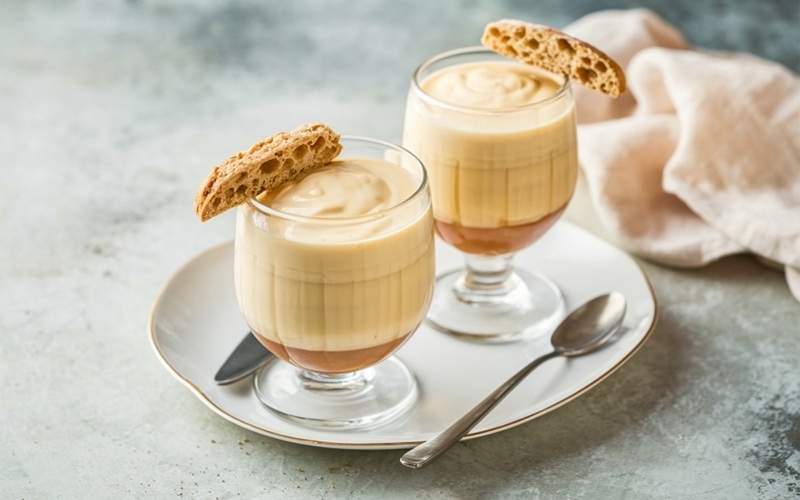
A zabaglione recipe should feel gentle from start to finish. This dessert is often described as an Italian custard dessert, yet its texture feels lighter than most custards. Here’s the thing: the entire dish depends on how egg yolks behave under slow heat. In the first few minutes, everything looks simple. Soon after, warm Italian custard begins to form. This guide explains a zabaglione recipe using traditional zabaglione preparation, with careful steps and small reminders that matter. Learning how this egg yolk dessert works builds confidence, not stress. Marsala wine custard brings warmth and depth without heaviness, which keeps the spoon moving back for more.
Italian dessert traditions often end meals on a gentle note. Italian custard dessert recipes aim to refresh rather than overwhelm. Zabaglione fits that idea well. It is served warm, airy, and light, even though egg yolks are rich by nature. What this really means is that technique matters more than ingredients.
Traditional zabaglione preparation dates back many generations. Families passed it down because it required few items and little equipment. A simple bowl, a whisk, and steady heat were enough. This simplicity helped the zabaglione recipe survive through time.
A proper zabaglione recipe uses a short ingredient list. Each one has a clear role.
Egg yolks give structure and richness. This egg yolk dessert relies on yolks only, not whole eggs. Yolks thicken gently and trap air when whisked.
Sugar sweetens and stabilizes the mixture. It also helps the yolks thicken evenly during traditional zabaglione preparation.
Marsala wine custard gets its flavor from fortified wine. Marsala adds aroma, warmth, and depth. Italian custard dessert recipes often choose sweet Marsala, though dry styles exist.
Using fresh, high-quality ingredients improves results. A zabaglione recipe has nowhere to hide mistakes.
Traditional zabaglione preparation depends on indirect heat. A water bath maintains a controlled temperature. Direct heat cooks eggs too fast and ruins the texture.
The process relies on three actions.
Here’s the thing: each action supports the others. Stop whisking, and eggs may scramble. Increase the heat, and the mixture thickens too fast. Warm Italian custard needs steady motion.
Breaking the method into steps makes the zabaglione recipe easier to follow.
Fill a saucepan with a few inches of water. Bring it to a gentle simmer, not a boil. Place a heatproof bowl on top. The bowl should sit above the water, not touch it.
Add egg yolks and sugar to the bowl. Whisk until the mixture looks pale and slightly thick. This step builds air. The texture of the egg yolk dessert depends on this early whisking.
Pour Marsala wine into the mixture in a slow stream. Keep whisking the entire time. Marsala wine custard should look smooth and glossy.
Continue whisking over the simmering water. The mixture slowly thickens. This can take several minutes. Warm Italian custard should hold soft ribbons when whisked.
Remove from heat once ready.
Time alone does not decide when zabaglione is done. Texture tells the truth.
Traditional zabaglione preparation teaches cooks to trust these signs more than timers.
Marsala wine custard stands out for its balance. Wine adds flavor without heaviness. The alcohol cooks off gently, leaving sweetness and aroma.
Different Marsala styles affect taste.
Italian custard dessert traditions favor Marsala, though preferences vary. The zabaglione recipe stays flexible within reason.
Mistakes happen easily with egg-based desserts. Avoiding them keeps the zabaglione recipe smooth.
Traditional zabaglione preparation forgives little, but rewards focus.
Zabaglione is best served warm. Warm Italian custard feels light and airy when fresh.
Italian custard dessert portions remain small. Richness comes from egg yolks, so moderation feels natural.
Some prefer chilled versions of zabaglione. Chilling changes texture.
Traditional zabaglione preparation favors warmth, though both styles have fans.
This zabaglione recipe scales well when ratios stay steady.
The egg yolk dessert structure remains stable at higher volumes. Whisking becomes more critical as the quantity increases.
Egg-based desserts require care. Safety supports trust.
Warm Italian custard does not store well. Refrigeration causes deflation. Reheating ruins texture.
This Italian custard dessert lasts because it teaches control. What this really means is that zabaglione trains attention. Hands feel the change. Eyes track color. Ears hear the whisk. A zabaglione recipe is as much practice as pleasure.
Marsala wine custard connects flavor with technique. Traditional zabaglione preparation reminds cooks that simple food can still feel special.
This zabaglione recipe proves that patience creates beauty. Egg yolks, sugar, and Marsala wine transform into warm Italian custard through gentle heat and steady whisking. Traditional zabaglione preparation rewards care with soft texture and deep flavor. This Italian custard dessert remains timeless because it combines simplicity and skill.
Yes, but it won't be traditional. You can substitute another fortified wine, such as Madeira or a sweet sherry. For an alcohol-free version, use a splash of orange juice or espresso, though the flavor profile will change completely.
The eggs are cooked. Whisking them over simmering water heats them to a safe temperature, pasteurizing them as the custard thickens. Always use fresh eggs from a reliable source.
Not really. This warm Italian custard is best served immediately after making. It will separate and lose its airy texture if stored. The whole process is so quick, it's best made just before serving.
They are essentially the same thing. Zabaglione is the Italian name. Sabayon is the French adaptation, which sometimes uses different wines, such as Champagne or Sauternes.
This content was created by AI