

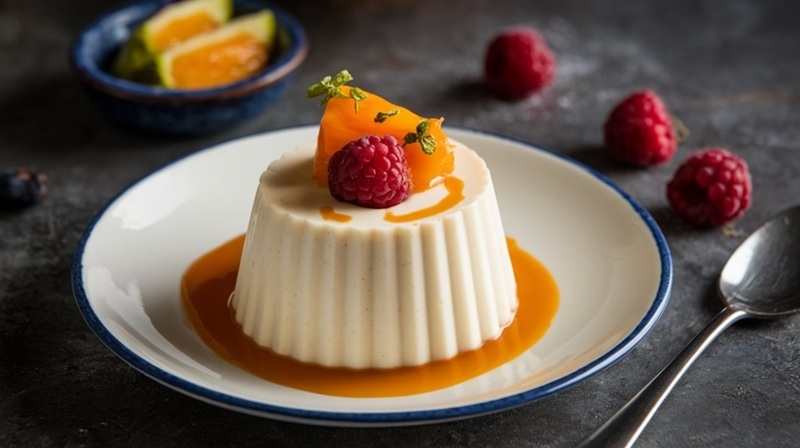
Panna Cotta, one of the most sophisticated and favoured sweet treats from Europe, specifically Italy, is a smooth, chilled dessert with a harmonious combination of elegance, flavour, and simplicity. This fantastic dessert has become one of the world's best-loved desserts because of how easy it is to make, how elegant it looks on a plate, and how delicious it tastes. As classic Italian-style cream dessert Panna Cotta is a luxurious but not overly indulgent dessert that should be in every elegant restaurant and every kitchen; the beauty of this dessert is that you can create it with the utmost quality ingredients that allow them to shine through in your final product, whether it is Vanilla Panna Cotta, Traditional Panna Cotta Flavors or the easiest Italian-style pudding dessert that is guaranteed to impress everyone's taste buds! In this article, you will learn about the background and history behind the pudding dessert, how to make it, the flavouring options available, and why it continues to be loved by so many dessert enthusiasts!
Panna cotta is a dessert made from cream (cooked at a low temperature), which makes it different from other desserts, such as cakes, which are baked in an oven. Panna cotta doesn't use any eggs (unlike most cakes and desserts), which creates a custard-like consistency.
The primary ingredients of panna cotta are cream (usually sweetened with sugar) and a gelling agent (gelatine). Sometimes pannas have additional flavours (for example vanilla bean or chocolate syrup). This means that panna can vary significantly in texture and taste. It is also very light and airy, making it an ideal dessert at the end of a meal without leaving you feeling too full.
Panna cotta has become a massive part of Italian culture; it is served in individual portions, presented on its own plate as a flat disk, or layered into multi-layered dishes topped with fresh fruit or chocolate sauce.
There's a reason panna cotta is so popular these days – it's a dessert that can be served in upscale restaurants and at home. Panna cotta is nostalgic for many foodies but also allows for creativity, as it can take on so many forms. Panna cotta is very easy to make compared to other Italian desserts, such as tiramisu, which requires advanced skills; even beginners can make one without difficulty and still impress their friends with something beautiful. Today's food culture favors restraint and balance when it comes to dessert, so panna cotta fits the bill nicely because of its simplicity and elegance.
Panna cotta originated in the Piedmont region of Northern Italy. In the earlier days of making panna cotta, fresh dairy cream was used, and it was set with natural, homemade gelatins, such as ash or avocados, rather than pre-manufactured gelatins.
Panna cotta slowly evolved into a dessert made with gelatin. As panna cotta became a delicacy of Italy, it began to spread to other regions of the world. The dessert's creamy texture, paired with its mild sweetness, was in sync with the Italian approach to desserts, which should not conflict with the main course.
Panna cotta is now enjoyed worldwide but remains proudly rooted in Italy's culinary history as an essential Italian dessert.
Vanilla panna cotta is a classic example, but Italian kitchens have used a wide range of traditional panna cotta recipes since the Renaissance. Each of these recipes offers an alternate method of enhancing the basic recipe and provides an alternative to the elegance of vanilla panna cotta.
Traditional panna cotta flavor options include:
These variations on panna cotta maintain its overall design while allowing for individual sensory experiences.
No other panna cotta would be more popular than the traditional vanilla panna cotta. The vanilla adds a light, soothing warmth that enhances the cream rather than overpowering it. This makes the vanilla panna cotta appealing to a broad audience.
A vanilla panna cotta pairs well with fresh fruits such as strawberries, raspberries, and blueberries, as well as caramel pudding, chocolate sauce, and orange or lemon marmalade. Due to these numerous pairing options, vanilla panna cottas can be found on both classic Italian menus and on contemporary dessert menus.
The method of preparing a vanilla panna cotta is reasonably easy, and it illustrates how a straightforward approach to cooking can be stylish when executed well.
Panna cotta is characterized by a very delicate texture: soft, creamy, and just barely set. To create the correct texture for panna cotta, you need to use precisely the right amount of gelatin in your recipe, as balancing it is critical.
Adding too little gelatin means the dessert will not maintain its shape. On the other hand, adding too much gelatin will make it rubbery. The perfect panna cotta should gently jiggle when plated and feel like it 'melts' in your mouth.
The way gelatin is incorporated into panna cotta distinguishes it from a custard or pudding and creates a texture that provides a luxurious eating experience.
Sure. Panna cotta is popular with customers because it gives them access to an Italian dessert they can make easily at home. It requires a few ingredients and straightforward steps to create. There is no baking involved, no need to temper eggs, and no complicated equipment necessary to prepare panna cotta, allowing anyone to recreate this delicious dessert at home with basic kitchen tools and enough time in the refrigerator. Preparing panna cotta is also an excellent choice for entertaining, as it allows hosts to create a beautiful, sophisticated dessert that can be made ahead of time and served to guests.
Italy often presents its traditional Italian cream dessert, panna cotta, effortlessly, allowing the flavor and texture to be the focus. A few examples of how panna cotta can be presented would be:
Seasonal fruit (i.e., strawberries, raspberries, etc.)
Although it may seem simple, panna cotta has an air of sophistication and purpose, exemplifying the elegance of desserts from Italian culinary traditions.
Panna cotta, as an Italian cream dessert, captures the essence of Italian culture's celebration of high-quality ingredients, careful and thoughtful preparation processes, and the timeless nature of its many desserts.
In the present-day culinary landscape, pannacotta is at an all-time high due to the increasing demand for light, balanced desserts by restaurant customers. Pannacotta fits perfectly with modern consumer tastes, appealing to those who desire elegant, minimalist desserts with fresh, clean flavour profiles.
Both professional and home cooks have widely accepted Pannacotta's versatility; there are many ways to use this dessert, including preparing it in a traditional style and adopting a modern approach by adding flavours or textures.
Traditional vanilla flavours and more creative variations of traditional pannacotta continue to be developed as the dessert gains popularity while continuing to honour its original Italian roots."
There are only a few dessert items that can be found in such perfect harmony as the classic Italian dessert panna cotta. Panna cotta is both a simple and elegant dessert and one of the most versatile Italian desserts; from tasting like vanilla to being part of a proper gelatine-based recipe, panna cotta can be prepared for dessert in Italy and eaten as a pudding, making it an incredible dessert worldwide.
Their continuous appeal stems from the fact that, by combining high-quality ingredients and a bit of thought into the preparation of these classic Italian desserts, you have created iconic desserts, as evidenced by panna cotta.
Because panna cotta is made with gelatin rather than eggs, it has a much lighter texture when set than a custard (which is usually blander). Furthermore, panna cotta sets without being cooked, unlike most other cream-based Italian desserts.
Yes, the vanilla-flavored panna cotta has been part of Italian culture for hundreds of years. It remains a popular dessert throughout Italy due to its uncomplicated yet superbly balanced flavor and versatility.
Definitely! Panna cotta is one of the easiest to create within the Italian dessert genre. The number of ingredients needed to make panna cotta is few, no cooking is required, and it's made in less than an hour, making it an ideal choice for beginners.
Gelatin plays a significant role in a panna cotta gelatin-based dessert recipe. Individual gelatin molecules interact with one another and with the cream to create a very smooth, softly set texture without overpowering it with too much cream.
Absolutely! Traditional panna cotta flavors include chocolate, coffee, citrus, various nut-flavored, and wide fruit-infused varieties, all stemming from conventional Italian desserts.
This content was created by AI