

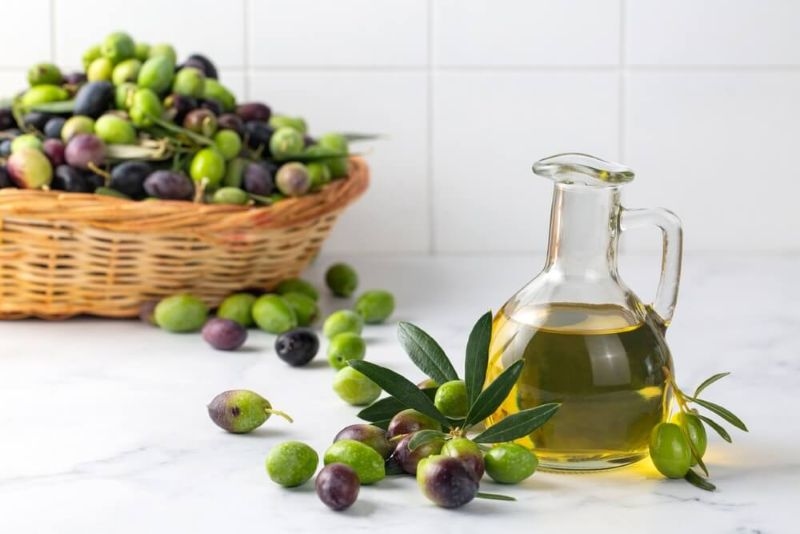
A lot of people buy olive oil the way they buy paper towels. Grab a bottle, toss it in the cart, move on. Then one day they taste a really good olive oil and it’s… confusing. Peppery. Green. Almost spicy at the back of the throat. Suddenly it doesn’t feel like a “cooking liquid” anymore. It feels like food.
That moment is often the start of a deeper question: why does one bottle taste flat and greasy, while another tastes bright and alive?
That’s where Italian olive oil comes in. Italy has a long history of olive growing, small producers, and regional styles. But quality varies a lot. Some bottles are truly exceptional. Others are just… labels and marketing.
This blog breaks down what quality means, how olive oil is made, how to shop smarter, and why freshness changes everything.
Quality olive oil is not about price alone. It’s about how olives are grown, when they’re harvested, how quickly they’re processed, and how the oil is stored afterward.
Real quality usually means:
When someone hears “Italian olive oil,” they might imagine one universal flavor. In reality, Italy produces many styles. Some oils taste delicate and buttery. Others taste grassy, bitter, or peppery. Those bold notes are not flaws. Often, they are signs of freshness and high polyphenols.
The goal is balance: fruitiness, bitterness, and pepperiness working together. If an oil tastes like nothing, it may be old or overly refined.
If someone buys olive oil for flavor and not just frying, they should focus on extra virgin olive oil. Extra virgin is the highest standard. It means the oil is made without chemical refining and meets sensory and lab standards related to acidity and defects.
Here’s the catch: not every bottle labeled extra virgin tastes fresh. The label is a starting point, not a guarantee.
A simple test helps. Good extra virgin often has:
That throat pepper is common in high-quality oils. It can make a person cough lightly. People call it the “one cough” oil. Not scientific, but kind of accurate.
A bottle of olive oil is basically a snapshot of a harvest. The process matters.
In modern Italian oil production, olives are usually:
Timing is everything. If olives sit too long in bags or piles, they begin to ferment. That can create off flavors that no fancy bottle can hide.
This is why people talk about harvest dates and milling speed. It’s not snobbery. It’s chemistry.
Older methods involved stone mills and pressing mats. Some producers still use traditional oil pressing techniques, especially for heritage or small-scale reasons. Modern methods often rely on centrifuges, which can be cleaner and faster, reducing contamination risk.
Neither approach is automatically better. What matters is:
The phrase “cold pressed” often shows up on labels. It generally suggests minimal heat during extraction, which helps preserve flavor and nutrients. But labels can be vague, so it’s smarter to look for harvest date, origin detail, and producer transparency.
Quality is usually proven in the taste.
Italy is not one olive oil flavor. It’s many.
Regional Italian oils reflect climate, soil, olive varieties, and local traditions. A few broad patterns:
For example, oils made from Taggiasca olives often taste gentle and sweet. Coratina oils can be intense and pungent. Frantoio and Leccino are common varieties known for classic Italian profiles.
So if someone tries one Italian oil and doesn’t love it, that doesn’t mean they dislike Italian oil. They might just need a different region or cultivar.
So what defines olive oil quality in real terms?
Here are the big factors:
A fresh oil can taste alive. An old oil tastes dull, waxy, sometimes even like crayons. Yes, crayons. It’s a real thing.
Grocery shelves can be overwhelming. Fancy labels. Words like “imported,” “premium,” “first cold press.” It’s a lot.
A few practical shopping tips:
Also, avoid buying olive oil that’s displayed in direct sunlight. If the bottle has been sitting under bright store lights for months, the flavor will not be at its best.
That matters because Italian olive oil is meant to taste fresh, not tired.
A high-quality oil can disappear if it’s used only for deep frying. That’s not a rule, but it’s a waste of flavor.
Better ways to enjoy it:
This is where extra virgin olive oil becomes an ingredient, not a background item. It can change a dish without adding anything complicated.
Quality isn’t just about taste, though taste is the fun part. Better oil often comes from better handling and fresher processing, which usually means more antioxidants and fewer defects.
But even if someone doesn’t care about polyphenols, they can care about this: bad oil makes food worse. It can add a stale flavor to everything it touches. Good oil makes simple food feel special.
And simple food is what Italian cooking does best.
Look for a harvest date and choose bottles harvested within the last year. Fresh oil smells green and tastes peppery or slightly bitter, not flat or waxy.
For flavor and finishing, yes. Extra virgin is the highest grade and usually offers the best taste. For high-heat frying, some people choose a milder oil, but quality still matters.
Keep it in a cool, dark place away from heat and sunlight. Close the cap tightly and avoid storing it near the stove where temperature swings are common.
This content was created by AI