

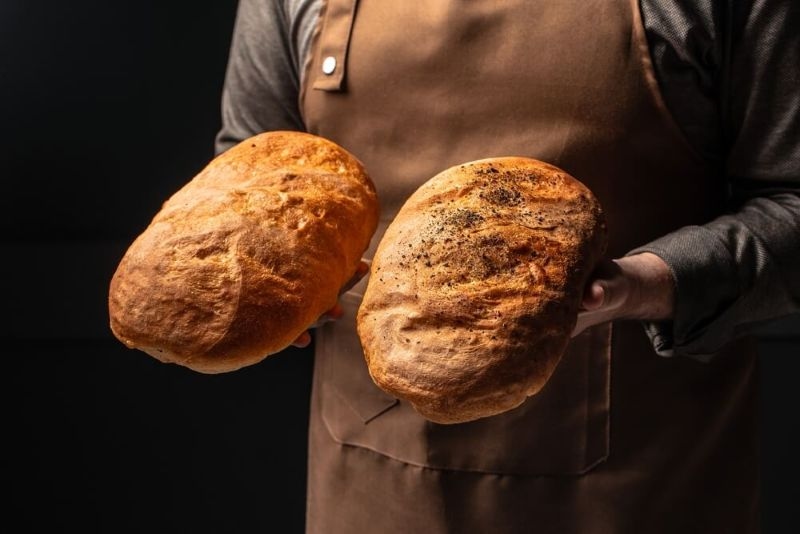
Bread in Italy isn’t just something you eat—it’s woven into daily life, family routines, and the feeling of home. Walk down any street, and you’ll see people grabbing fresh loaves from the same bakery they’ve trusted for years. It’s not about fancy flavors or bread that lasts a week. What really matters is that the bread hits the table fresh.
So, why does Italian bread taste so different from the packaged stuff you find elsewhere? Honestly, it comes down to one thing: freshness. The flavor follows naturally.
Italian bread culture goes way back. Every town, sometimes every village, created its own style, shaped by the climate, local grains, and what people needed. Recipes usually stayed in the family—rarely written, always remembered. These old methods stuck around, and you can still taste that tradition today.
Forget long ingredient lists. Traditional Italian bread keeps it simple: flour, water, yeast, salt. That’s it. With nothing to hide behind, the flavor of the grain stands out. Bread isn’t supposed to take over the meal—it’s there to support it. You see bread on the table alongside cheese, soups, vegetables, and sauces, always fitting in but never stealing the show.
In Italy, bread is a daily thing, not something you stash in the cupboard for later. People buy just enough for the day, maybe the morning, maybe until dinner. Eating bread that’s a few days old? That just feels wrong in most homes.
Fresh Italian bread is mild on purpose. Strong flavors would fight with the rest of the meal. The best loaves have a soft, airy inside and a crisp crust. When bread does go stale, Italians don’t toss it. They turn it into breadcrumbs, soup thickeners, or toss it into salads. It’s just another way they keep the bread tradition going and avoid waste.
Italy’s bread scene is incredibly diverse. Travel from north to south and you’ll find all kinds—soft, white loaves up north, darker and chewier bread as you head south. It all depends on local crops and history.
You’ll see flat breads, round loaves, long sticks, rustic shapes. Some have no salt, some just a pinch. Each type fits into the local diet, made for daily meals, not just for tourists or special occasions. Bread in Italy is meant for everyday life.
Most Italians learn to make bread at home, watching their grandparents work the dough at dawn. Bakeries still do things the old way: slow mixing, letting the dough rise at its own pace, baking in small batches.
Patience is key. No one rushes the process. Slow fermentation makes the bread easier to digest and gives it that perfect texture, even if the flavor stays simple. Bakers really care about getting things right, every single time. That way, people know what they're getting and can count on it.
In Italy, bakeries run on routine and real connections. Folks drop by the same shop every morning, greet the baker, and there’s this unspoken understanding— the baker already knows how much bread they'll need. That trust keeps things simple. Bread stays fresh, and hardly any goes to waste.
Most loaves are handed over without much packaging—maybe a paper or cloth bag. It lets the bread breathe and keeps the crust from getting soggy. It’s a small detail, but it keeps the focus on same-day eating, not storage.
Bread shows up at every meal, even if there’s already pasta or rice. People use it to scoop up sauce, dunk in soup, or make a quick sandwich. It’s rarely eaten by itself—it’s meant to go with everything else.
At home, people just grab the bread and give it a squeeze to see if it’s fresh. The best loaves feel light but still keep their shape. If the bread goes hard, nobody’s tossing it—they’ll find another use for it. Little things like this really show how much Italians care about fresh bread-making traditions tied to it.
In Italy, bread doesn’t fight for the spotlight—it’s there to make the rest of your meal even better. A mild loaf works perfectly with olive oil, veggies, or cheese, and somehow it always manages to balance out rich sauces instead of stealing the show. That’s really the secret: texture and freshness matter more than a punch of flavor.
Bread here isn’t meant to be slathered in butter or loaded with spreads. Fresh bread just lifts the whole meal. It’s a supporting player, not the star, and that’s exactly how Italians like it.
Of course, fresh bread is king, but that doesn’t mean stale bread gets tossed. Italians are masters at turning old bread into something new. Once it hardens, it’s not a lost cause—it’s actually the start of a whole new set of dishes. Loads of recipes rely on yesterday’s bread for texture or body, and that habit goes way back.
It’s totally normal to plan ahead for leftovers. Dry bread gets toasted, ground up, or soaked, depending on what’s cooking. This way, nothing goes to waste, and the tradition stretches from baking to everyday meals.
Things have changed a lot—supermarkets everywhere, everyone rushing around—but some things just don’t budge. People still line up at the neighborhood bakery when they get the chance. Fresh bread, that’s what really matters.
Some bakeries bake in smaller batches all day, just to keep up. That way, they hold onto old-school Italian bakery customs while fitting into modern routines. It’s not about piling up bread for days; it’s about making sure there’s always fresh bread around to go with your meal.
Bread in Italy is more than food. It’s pride. Every region has its own loaf—a story shaped by climate, history, family, and tradition. These breads remind people who they are and where they come from.
Making bread is a routine that connects generations. Even if you never bake at home, you get the importance of fresh bread. Italian bread customs and daily bread rituals around daily bread still shape the way people eat and think about food.
Italian bread culture is all about keeping things simple and respecting good food. Bread’s job is to fit in and round out the meal, not take over. It’s the freshness and the routine that matter, not wild flavors.
With so many regional bread types and bread-making traditions, bread just fits into everyday life. Italy keeps a food culture that values balance, routine, and actually paying attention to what you eat.
Because bread’s supposed to be eaten the day it’s made, Italians focus on baking and eating bread daily, not keeping it around for days on end.
It’s simple—just a handful of ingredients and baked fresh for immediate eating. It’s not meant to last on a shelf.
Every region has its own way—different grains, old family recipes, even the weather plays a part. Each bread has its own story and really reflects local life.
They get creative—old bread ends up in soups, salads, or gets turned into breadcrumbs instead of going in the trash. They don’t waste bread. That’s just the way it is.
This content was created by AI